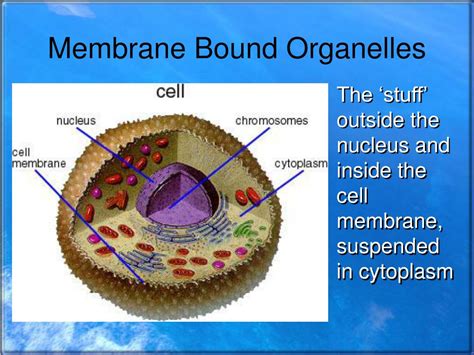
Membrane-bound organelles play a pivotal role in cellular functions, orchestrating a variety of biological activities. The complexity and specificity of their roles are crucial to understanding cellular dynamics and, by extension, the health and functionality of living organisms. This article delves into the essential aspects of these cellular entities, highlighting practical insights, evidence-based statements, and real-world examples to provide a comprehensive view.
Key Insights
- Membrane-bound organelles, such as mitochondria and the endoplasmic reticulum, have specialized functions that are vital to cellular health.
- Advanced imaging techniques have unveiled intricate processes within organelles, such as protein synthesis and energy production.
- Understanding organelle dynamics can lead to breakthroughs in treating diseases associated with organelle dysfunction.
The Role of Mitochondria: Powerhouse of the Cell
Mitochondria are often referred to as the powerhouses of the cell due to their critical role in energy production. They generate adenosine triphosphate (ATP) through the process of oxidative phosphorylation, a mechanism fundamental to cellular metabolism. For instance, in muscle cells, mitochondria are abundant and essential for sustaining high energy demands during physical activity. Without functional mitochondria, cells would struggle to maintain the energy necessary for various biochemical processes. This highlights the importance of mitochondrial health and the implications of mitochondrial diseases, such as mitochondrial myopathy, where impaired ATP production leads to muscle weakness.The Endoplasmic Reticulum: Protein Factory
The endoplasmic reticulum (ER) is a network of membrane-bound channels and sacs involved in the synthesis, folding, and transport of proteins. There are two types: the rough ER, studded with ribosomes, and the smooth ER. The rough ER is primarily responsible for the synthesis of secretory and membrane proteins, which are often transported to other organelles or secreted from the cell. For example, during the production of insulin in pancreatic beta cells, the rough ER plays a crucial role in the folding and modification of the nascent insulin protein. The smooth ER, on the other hand, is involved in lipid synthesis and detoxification processes. Understanding these functions is essential for grasping how cellular metabolism and detoxification are orchestrated within the ER.What happens if organelle function is disrupted?
Disruption in organelle function can lead to various diseases and disorders. For example, mitochondrial dysfunction has been linked to neurological disorders like Parkinson’s disease and neurodegenerative disorders. Similarly, defects in the ER, such as those seen in diseases like cystic fibrosis, lead to compromised protein folding and transport, affecting various physiological processes.
How are membrane-bound organelles studied?
Membrane-bound organelles are studied using advanced imaging techniques such as electron microscopy and fluorescence microscopy. These techniques allow scientists to visualize organelles in great detail, observe their interactions, and track dynamic processes within the cell. Additionally, proteomic and genomic analyses provide insights into the protein compositions and genetic factors influencing organelle functions.
In summary, membrane-bound organelles such as mitochondria and the endoplasmic reticulum are indispensable to cellular function. Their intricate roles underscore the importance of understanding cellular architecture and dynamics to develop therapeutic interventions for diseases arising from organelle dysfunction. As research in this field progresses, it promises to unlock new avenues for medical science, highlighting the continued significance of these mysterious cellular structures.