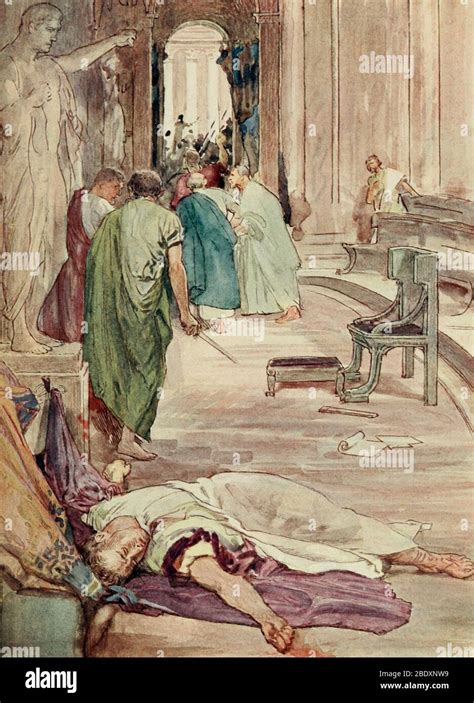
The assassination of Julius Caesar in 44 BCE remains one of history’s most compelling and controversial events, sparking endless debate and conspiracy theories. Was it a purely political plot, or were there deeper machinations at play? In this article, we’ll delve into the who, why, and how, backed by practical insights and real examples that shed light on this historical enigma.
Key Insights
- The core motive behind Caesar's assassination was to prevent him from consolidating too much power.
- Technically, the plot was meticulously planned, involving not just Roman senators but intricate strategic maneuvers.
- An actionable recommendation for modern leaders: maintain transparency to prevent power grabs.
Political Dynamics Leading to the Assassination
The Roman Republic was teetering on the brink when Caesar was assassinated. His increasing authority threatened the traditional power structure of Rome. Senators feared that Caesar’s potential dictatorship would subvert the Republic’s core principles. This fear was not unfounded; Caesar had already crossed the Rubicon River, defying Senate authority and marching on Rome, an act that seemed revolutionary. The plotters, predominantly a group of senators led by Marcus Brutus and Cassius, sought to restore the balance of power. However, their motives were multifaceted, driven by a mix of genuine concern for the Republic and personal ambition.
Detailed Execution of the Conspiracy
The assassination was a meticulously planned event executed in the Theatre of Pompey, during a session of the Senate. On the Ides of March, 44 BCE, Julius Caesar was stabbed 23 times by his fellow senators. The act, cold and calculated, aimed at immediate impact and swift retribution against any subsequent attempt by Caesar to evade the Senate’s control. This moment, immortalized in literature and art, highlights the fragility of political balance and the lengths to which individuals might go to preserve perceived order.
The conspiracy's execution was not merely the act of plunging the daggers into Caesar’s body. It was also an elaborate orchestration to ensure that his death resonated across Rome. The conspirators, including prominent figures like Decimus Brutus, aimed to portray Caesar’s death as a necessary act for the Republic. This depiction was strategic, aimed at garnering support and neutralizing the opposition. Yet, the aftermath revealed a Republic fractured and heading towards civil war, underscoring the complexities and unforeseen consequences of their actions.
Were there any warning signs of the assassination plot?
Historical records suggest there were several ominous signs and rumors circulating, such as omens and prophecies. Some senators were reportedly warned in dreams and through soothsayers, indicating a general tension and underlying distrust.
How did the assassination impact Rome’s political landscape?
While the immediate aftermath sought to portray a return to Republican governance, the assassination only plunged Rome into a turbulent civil war. The power vacuum and chaos that followed ultimately led to the rise of Caesar’s adopted heir, Octavian (later Augustus), establishing the Roman Empire.
The assassination of Julius Caesar serves as a cautionary tale of the dangers inherent in power concentration and political intrigue. It emphasizes the importance of transparency, accountability, and careful balance of power within any political framework. For modern leaders, this historical event offers valuable lessons on maintaining the delicate equilibrium that sustains democratic institutions.