Unveiling ‘What Is Third Person Omniscient’?
Understanding the concept of third person omniscient narration is crucial for both writers and readers who seek to master the intricacies of storytelling. It’s a narrative style that offers a unique vantage point, allowing the writer to delve into the thoughts and feelings of all characters, not just the protagonist. This approach enhances the reader’s understanding and often provides a more profound and complex narrative experience.
The Essence of Third Person Omniscient
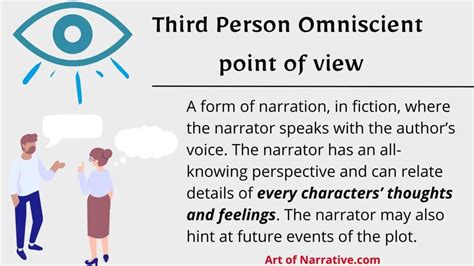
In third person omniscient narration, the storyteller assumes an all-knowing perspective. This means that the narrator has access to the internal thoughts, motivations, and emotions of every character within the narrative. It offers an expansive, almost god-like view of the story, enabling the author to weave a tapestry of diverse character insights. The advantage here is the potential for a more rounded and comprehensive narrative, with the ability to switch perspectives seamlessly and provide deeper context.
Key Insights
Key Insights
- Third person omniscient allows the author to provide extensive insight into multiple characters’ inner worlds.
- It often requires careful handling to avoid overwhelming the reader with too much information.
- A well-executed omniscience can enhance the complexity and depth of the narrative.
The Narrative Power of Omniscience
Narrative omniscience provides a platform for exploring the psychological landscapes of numerous characters, which can lead to more nuanced storytelling. For example, in Ian McEwan’s Atonement, the omniscient narrator navigates through the thoughts and emotions of multiple characters, including the protagonist Briony Tallis and secondary characters like her sister, Cecilia. The ability to provide insight into the minds of these diverse characters enriches the themes of guilt, innocence, and the impact of storytelling itself.
However, such narrative freedom must be exercised judiciously. A common pitfall of omniscience is the potential for narrative fatigue—readers can find it overwhelming to navigate too many perspectives or intricate thoughts at once. A writer must balance insight with clarity, ensuring that the complexity does not hinder the story’s progression.
Challenges and Techniques in Omniscient Narration
One of the key challenges of third person omniscient narration is maintaining narrative coherence and reader engagement. Writers often employ specific techniques to manage this complexity. One method is to use chapter or section breaks to delineate different characters’ perspectives. For example, in Kazuo Ishiguro’s Never Let Me Go, the narrative shifts between the thoughts and perspectives of Kathy, Tommy, and Ruth. This structure not only provides the depth required but also keeps the reader anchored to the unfolding events.
Another technique involves careful use of foreshadowing and subtle hints to weave various character arcs together seamlessly. This creates a tapestry where each character’s perspective contributes to the overarching narrative, making their individual insights collectively powerful.
FAQ Section
What are the primary advantages of third person omniscient?
The main advantage is the comprehensive view it provides into multiple characters’ thoughts and emotions, enriching the narrative’s depth and complexity.
What are some common pitfalls to avoid?
Overwhelming the reader with too much information and failing to maintain narrative coherence are common pitfalls. Writers should aim for balance and clarity.
This style, when employed skillfully, can create a rich, multi-layered narrative that captivates and deepens the reader’s engagement with the story. Whether you’re an aspiring writer or an avid reader, understanding and appreciating the third person omniscient perspective can significantly enhance the literary experience.