Understanding civic duty can seem overwhelming at first, but it’s essential to grasp its significance to become an active, informed citizen. Civic duty encompasses a broad range of responsibilities that individuals owe to their communities, nations, and the global community. This guide is designed to decode what is civic duty, focusing on your ethical responsibility through actionable advice, real-world examples, and practical solutions to common challenges.
What Is Civic Duty?
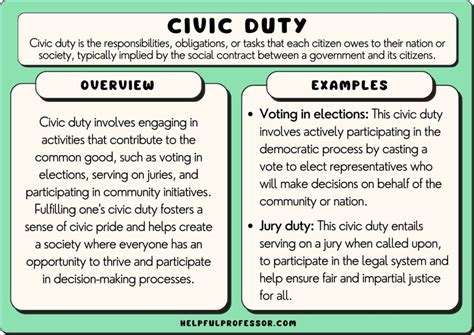
Civic duty refers to the moral and ethical responsibilities that individuals have towards their communities and societies. It involves engaging in activities that contribute to the well-being and functioning of the public sphere, including participating in voting, serving on juries, volunteering, and following laws and regulations. Engaging in civic duty isn’t just about personal benefit; it’s about contributing to the collective good.
Why Is Civic Duty Important?
Civic duty is foundational for a healthy, functioning democracy. It ensures that communities are active, engaged, and vibrant. When people participate in civic activities, they help to create a more just, equitable, and transparent society. Moreover, engaging in civic duty fosters a sense of community, enhances social cohesion, and builds stronger, more resilient communities.
Understanding and fulfilling your civic duty is not just about legal obligation but also an ethical imperative. It's a way of demonstrating respect for the shared values and collective effort that form the backbone of societal progress.
Quick Reference
Quick Reference
- Immediate action item with clear benefit: Register to vote and ensure you’re on the electoral roll to actively participate in democratic processes.
- Essential tip with step-by-step guidance: Stay informed about local issues by subscribing to community newsletters and participating in public meetings.
- Common mistake to avoid with solution: Assuming civic duty ends with voting; broaden your engagement by volunteering, advocating for change, and obeying the law.
The Role of Voting
One of the most fundamental aspects of civic duty is voting. Voting is the cornerstone of democratic participation, allowing citizens to express their opinions and influence the political landscape.
Step-by-Step Guide to Voting
Here’s how you can ensure you are eligible to vote and actually participate in the election process:
- Check Eligibility: To vote, you need to be a citizen of the country, typically aged 18 and over. Citizenship and age requirements vary by country, so it’s important to verify specific eligibility criteria.
- Register to Vote: Most countries have a registration process for eligible voters. This often needs to be done in advance of the election. Visit the official election commission’s website or use an online tool to check the registration deadlines and requirements.
- Stay Informed: Before voting, it's crucial to stay informed about the candidates, issues, and ballot measures. This involves reading articles, watching debates, and considering the party platforms.
- Voting Day: On the day of the election, head to your designated polling place. You may need to show identification, so keep necessary documents handy. Follow any guidelines provided by your local election authority.
- Post-Voting: After voting, it’s good practice to reflect on your decision and consider how your vote contributes to the democratic process. Engage in discussions or read analyses to understand the broader impact of your vote.
Volunteering Your Time
Volunteering is another critical component of civic duty. It provides direct contributions to the welfare of your community, helping address various social, environmental, and economic needs.
How to Get Started with Volunteering
Here’s a step-by-step guide to kickstart your volunteering journey:
- Identify Interests: Determine the causes you are passionate about. Whether it’s environmental conservation, education, healthcare, or social services, aligning your volunteer efforts with your interests will make the experience more fulfilling.
- Research Opportunities: Look for volunteer opportunities in your community. Websites like VolunteerMatch, Idealist, and local nonprofit websites often list current volunteer needs.
- Contact Organizations: Reach out to organizations to express your interest. Often, they will need confirmation of your availability and may require an interview or a training session.
- Commit Time: Decide how much time you can realistically commit. Even a few hours a month can make a significant impact.
- Start Volunteering: Begin your volunteer work and be prepared to learn and adapt. Organizations usually provide training or orientations to prepare you for your role.
- Reflect and Improve: After a few volunteer experiences, reflect on what worked well and what could be improved. Seek feedback from supervisors and think about how you can further contribute.
The Importance of Following Laws and Regulations
Adhering to laws and regulations is a key aspect of civic duty. It ensures social order, fairness, and respect for all individuals. Compliance with laws reflects a commitment to the community’s shared values and norms.
Steps to Uphold Legal Compliance
Here’s how you can integrate legal compliance into your daily life:
- Stay Informed: Understand the laws and regulations relevant to your area. This includes traffic laws, environmental regulations, tax obligations, and local community rules.
- Regular Updates: Laws and regulations can change. Regularly check official government websites and legal updates to stay current.
- Observe and Follow: Make it a habit to follow these laws and regulations in your daily activities. Whether it’s recycling properly, obeying traffic signals, or reporting illegal activities, small actions contribute to broader compliance.
- Report Violations: If you witness someone violating a law or regulation, consider reporting it to the appropriate authorities. This can help maintain the integrity and order of your community.
- Engage in Legal Education: Participate in community legal education programs. They often provide valuable insights into the legal framework and how you can contribute to its effective functioning.
Practical FAQ
How can I stay motivated to fulfill my civic duties?
Staying motivated to fulfill your civic duties can be challenging, but there are several strategies to keep you on track:
- Join a community group: Engage with like-minded individuals by joining a local civic group or club. This provides camaraderie and shared goals.
- Track your contributions: Keep a record of your civic activities. Seeing your progress and the impact of your contributions can be very motivating.
- Set personal goals: Define clear, achievable goals for your civic engagement. For example, aim to volunteer a certain number of hours per month or participate in community meetings regularly.
- Seek inspiration: Read stories of people who have made significant contributions through civic duty. Their success stories can provide inspiration and renewed motivation.
- Reward yourself: Reward yourself for completing your civic duties. It could be something small like a treat or a break. Positive reinforcement can help maintain your motivation.
Tips for Effective Civic Engagement
Here are some additional tips to enhance your civic engagement:
- Educate yourself: Use reliable sources to stay informed about current issues and developments in your community.
- Network: Build a network of active citizens who share your interest in civic duty. Networking can provide support and ideas for new initiatives.
- Advocate: Use your voice to advocate for policies that benefit your community. Attend town hall meetings, write to your local representatives, or participate in online advocacy campaigns.
- Support local initiatives: Participate in or support local projects, such as community gardens, clean-up drives, and local business initiatives.
- Be patient: Change takes time, and it’s essential to be patient and persistent in your efforts. Small steps over time can lead to significant change.
By understanding and fulfilling your civic duties, you play a crucial role in fostering a healthy,