Understanding Variables and Controls in Research Studies: A Professional Guide
When diving into the complex world of research studies, the terms “variables” and “controls” might sound intimidating. However, mastering these concepts is essential for designing robust and credible studies. This guide provides a step-by-step approach, actionable advice, and real-world examples to demystify these crucial elements in research. Whether you’re a novice or an experienced researcher, this guide is designed to enhance your understanding and application of variables and controls.
Why Understanding Variables and Controls Matters
In research, variables are the elements that can change or vary, and they are essential for exploring relationships between different aspects of a study. Controls, on the other hand, are specific elements put in place to minimize the impact of variables that aren’t of primary interest. Mastering these concepts allows you to design studies that produce reliable and valid results. Without proper understanding and management of variables and controls, your study may yield skewed or inconclusive data, leading to false conclusions. This guide will help you navigate these waters with confidence.
Quick Reference
Quick Reference
- Immediate action item: Identify your primary variables and potential control factors at the beginning of your study design.
- Essential tip: Use randomization and stratification techniques to ensure that controls are balanced across different groups in your study.
- Common mistake to avoid: Failing to account for confounding variables which can lead to erroneous conclusions.
Understanding Independent and Dependent Variables
To start, let’s delve into the core types of variables used in research studies: independent and dependent variables.
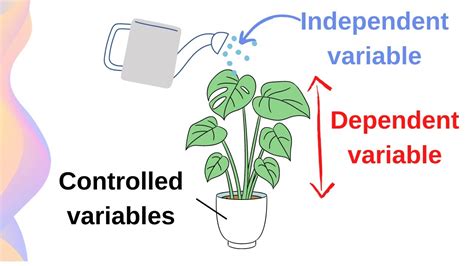
Independent Variables: These are the factors that you manipulate or change in an experiment to observe the effect on dependent variables. For instance, in a study examining the effect of a new drug on blood pressure, the drug dosage would be the independent variable.
Dependent Variables: These are the outcomes or results that you measure to see if they are affected by changes in the independent variables. In the drug study example, blood pressure would be the dependent variable.
When planning your research, it’s essential to define these variables clearly. This will ensure that your study can be replicated and that your results are meaningful.
Step-by-Step Guide to Identifying Variables
Here’s how you can identify and work with your independent and dependent variables:
Step 1: Formulate a clear research question or hypothesis. Your variables will directly stem from this.
Step 2: Break down your research question to identify what aspects you need to manipulate (independent variables) and what outcomes you will measure (dependent variables).
Step 3: Conduct a preliminary literature review to see how other researchers have defined their variables and consider if you can adopt similar frameworks.
Step 4: Discuss your variable definitions with colleagues or mentors to get feedback and ensure clarity.
How to Use Controls Effectively
Controls are crucial in minimizing the impact of external factors that could skew your study results. Here’s how to use them effectively:
Step 1: Identify potential confounding variables. These are variables that could affect both the independent and dependent variables but are not your primary focus.
Step 2: Implement strategies to control these variables. Common strategies include randomization, stratification, and matching.
Step 3: Ensure that the groups being compared are similar in terms of the control variables. This may involve the use of standardized procedures or measures.
Step 4: Monitor and record any changes in the control variables during the study to ensure they remain consistent.
Real-World Example
Imagine you’re conducting a study on the effect of a new teaching method on student performance. Your independent variable is the teaching method, and your dependent variable is student performance (measured through test scores). To control for confounding variables, you might control for the students’ prior knowledge, socio-economic status, and teacher experience. By ensuring that students in different teaching method groups have similar levels of prior knowledge, socio-economic status, and teacher experience, you can better isolate the effect of the teaching method on performance.
Advanced Techniques for Handling Variables and Controls
Once you’ve mastered the basics, you can explore more advanced techniques for managing variables and controls:
Step 1: Use multifactorial designs where you manipulate more than one independent variable to understand complex interactions.
Step 2: Employ factorial designs where you systematically vary combinations of different independent variables to study their combined effects.
Step 3: Implement a longitudinal study design where you track the same variables over extended periods to understand changes and developments over time.
Step 4: Consider using statistical methods like regression analysis to control for multiple variables and understand their relative contributions.
Tips and Best Practices
Here are some tips to keep in mind when working with variables and controls:
- Documentation: Keep meticulous records of all variables and control measures to ensure transparency and reproducibility.
- Pilot Testing: Conduct small-scale pilot tests to refine your variable definitions and control strategies.
- Peer Review: Get your variable and control strategies reviewed by peers to identify potential issues you might have overlooked.
FAQ
What if I discover an unexpected variable during my study?
If an unexpected variable arises during your study, first assess its potential impact. If it’s significant, you might need to rethink your variable definitions and control measures. Document the unexpected variable thoroughly and consider whether you can include it as a new control variable or exclude it from your analysis. It’s important to remain flexible and adaptable to ensure the validity of your study results.
Understanding variables and controls is a fundamental aspect of conducting credible research. By following this guide, you will be better equipped to design studies that yield reliable, valid, and insightful results. Remember, the key is in the planning stage where you define and manage your variables and controls meticulously.