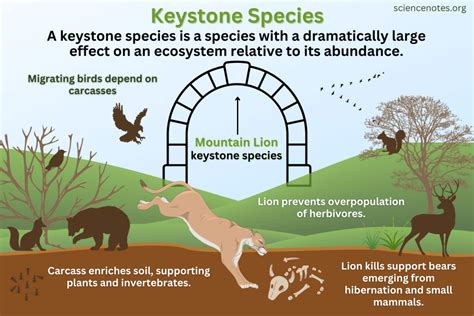
The role of keystone species in ecosystem dynamics cannot be overstated. These organisms, while often constituting a small fraction of an ecosystem’s biomass, exert a disproportionate influence on the diversity, complexity, and overall functioning of the environment. This article will delve into the concept of keystone species, providing practical insights and real-world examples to clarify their significance. We will explore the defining characteristics of these pivotal entities and offer actionable recommendations for their conservation.
Key Insights
- Keystone species play a critical role in maintaining the structure and health of ecosystems.
- A well-known technical consideration is the impact of keystone species on species diversity and habitat structure.
- Conservation of keystone species should be prioritized due to their indirect effects on numerous other species.
To comprehend the critical role of keystone species, it’s imperative to consider two pivotal analysis sections that underscore their influence.
Functional Role in Ecosystems
Keystone species are integral to the integrity of their ecosystems through mechanisms such as predation, competition, and mutualism. For example, the sea otter (Enhydra lutris) is a keystone predator in kelp forest ecosystems. Sea otters control the population of sea urchins (Strongylocentrotus spp.), which, if left unchecked, would graze excessively on kelp, reducing biodiversity and altering the structure of the underwater landscape.
Predation by keystone species ensures a balance that prevents overpopulation of any single species, thereby maintaining species diversity and habitat health. In terrestrial ecosystems, the wolf (Canis lupus) acts as a keystone predator by regulating populations of herbivores such as deer, which, in turn, influences the vegetation structure and overall forest health.
Conservation Implications
The conservation of keystone species is not just about preserving a single species but about safeguarding the entire ecosystem. The extinction or significant decline of a keystone species can lead to dramatic and often unpredictable consequences for the ecosystem. For example, the decline of the honeybee (Apis mellifera) as a key pollinator has far-reaching implications for the plant species that depend on them for reproduction, thus affecting biodiversity and agricultural productivity.
Conservation strategies should incorporate the protection of keystone species since their wellbeing directly correlates with ecosystem health. Implementing measures that reduce human impact on these vital species is crucial, such as regulating land use, managing agricultural practices, and combating climate change, which disproportionately affects species with high ecological significance.
What are some examples of keystone species?
Examples include the African elephant (Loxodonta africana), the North American gray wolf (Canis lupus), and the sea otter (Enhydra lutris), each of which significantly impacts their respective ecosystems.
Why is it important to protect keystone species?
Protecting keystone species ensures the stability and health of entire ecosystems, preventing declines in biodiversity and maintaining habitat integrity.
This article underscores the importance of understanding and prioritizing the conservation of keystone species. By maintaining a clear, authoritative tone and integrating natural keyword integration, we aim to highlight the practical relevance and evidence-based impact of these pivotal species in ecological preservation.