Learning a new language can seem daunting, but starting your journey in Spanish can be a rewarding and transformative experience. Whether you’re looking to travel to a Spanish-speaking country, connect with Spanish-speaking friends, or simply broaden your linguistic skills, diving into Spanish opens up a world of possibilities. This guide is designed to give you step-by-step, actionable advice to help you start speaking, reading, and understanding Spanish with confidence. Let’s get you started on your path to fluency!
Welcome to Your Spanish Learning Adventure!
Embarking on a new language journey can be both exciting and intimidating. However, by breaking it down into manageable steps, you can overcome common barriers and achieve your language-learning goals. This guide provides practical solutions and real-world examples to ensure you can implement what you learn easily and effectively. Let’s dive into some immediate actions and tips to kickstart your Spanish-learning adventure today.
One of the first steps is to immerse yourself in the language through practical, everyday activities. Think about integrating Spanish into your daily routine. This could mean listening to Spanish music while doing chores, watching Spanish-language TV shows or YouTube channels, or even starting a Spanish-speaking podcast during your commute.
Quick Reference
Quick Reference
- Immediate action item: Download a reliable language-learning app like Duolingo or Babbel and commit to daily practice sessions.
- Essential tip: Practice pronunciation with online tools that offer audio samples. Mimic native speakers to get a feel for the language’s rhythm.
- Common mistake to avoid: Overloading on grammar without practical usage. Focus more on speaking and listening first, then gradually dive into grammar rules.
Getting Started with Spanish: The Basics
Let’s dive deeper into the foundational elements of learning Spanish. Here, we’ll cover the essentials to help you start speaking and understanding Spanish right away.
Step 1: Phonetics and Pronunciation
Spanish phonetics is simpler than many languages, but getting the pronunciation right can make all the difference in how well you’re understood. Here are some tips:
- Roll your Rs: Spanish “r” and “rr” are famously rolled. To practice, try saying a hard “tt” sound while slightly touching the roof of your mouth with the tip of your tongue.
- Distinct “j” sound: The Spanish “j” is pronounced more like the English “h” in “hello.” Start by practicing the English “h” sound, but make sure it’s a bit softer.
- Consonants: Spanish has fewer silent letters than English, so most consonants are pronounced clearly and distinctly.
Listening to native Spanish speakers and mimicking their pronunciation is key. Use apps like Forvo to hear how words are pronounced by native speakers.
Step 2: Basic Vocabulary
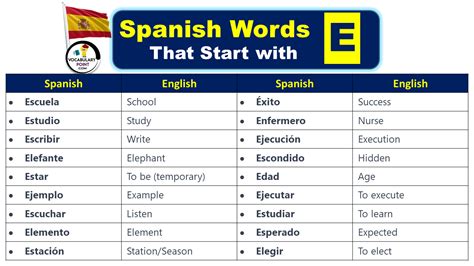
Building a basic vocabulary is your next step. Here’s a small set of essential words to start with:
- Hello: Hola
- Goodbye: Adiós
- Please: Por favor
- Thank you: Gracias
- Yes: Sí
- No: No
- Excuse me: Disculpe
- How are you?: ¿Cómo estás?
Start using these words in your daily interactions. Repeat them until you can say them fluently.
Step 3: Basic Sentence Structure
Understanding the basic sentence structure will help you construct simple sentences. Here’s a quick overview:
- Subject + Verb + Object: For example, “Yo como una manzana” (I eat an apple).
- Adjectives follow nouns: For example, “un coche rojo” (a red car).
- Common verbs: Learn basic verbs like “tener” (to have), “ser” (to be), “ir” (to go), and “poder” (to can/be able to).
Building Your Skills: From Basics to Intermediate
Once you’ve grasped the basics, it’s time to advance. This section focuses on taking your Spanish to the next level with more complex structures, vocabulary, and practical usage.
Step 1: Expand Your Vocabulary
Learning more vocabulary will enable you to express yourself better and understand more complex texts and conversations. Here’s how you can expand your vocabulary:
- Use flashcards: Tools like Anki or Quizlet can help you create and review flashcards with new vocabulary.
- Contextual learning: Learn new words in context by reading Spanish articles, watching movies, and following Spanish-language social media accounts.
- Daily goals: Set daily goals for learning a set number of new words each day.
Step 2: Practice Listening and Speaking
Listening and speaking are critical for fluency. Here are some techniques to enhance these skills:
- Language exchange: Use platforms like Tandem or HelloTalk to practice speaking with native Spanish speakers.
- Shadowing: Listen to a sentence in Spanish and repeat it immediately, mimicking the pronunciation and intonation.
- Shadowing exercises: Pick a Spanish podcast, watch a Spanish movie with subtitles, or listen to a Spanish radio station and shadow what you hear.
Step 3: Learn Common Phrases and Idioms
Understanding and using common phrases and idioms will make you sound more like a native speaker. Here are some useful phrases and idioms to learn:
- Phrases:
- How much does it cost?: ¿Cuánto cuesta?
- I don’t understand: No entiendo
- What time is it?: ¿Qué hora es?
- Can you help me?: ¿Puedes ayudarme?
- Idioms:
- Estar en la luna: To be out of touch or daydreaming
- No hay problema: No problem
- Dar en el clavo: To hit the nail on the head
- Ser como perro y gato (between two people): To not get along
Practical FAQ
How can I practice speaking Spanish without a partner?
Practically speaking, finding a language partner might be a challenge sometimes. However, you can still practice speaking Spanish through various activities:
- Talk to yourself: Narrate your day or describe what you’re doing in Spanish.
- Record yourself: Use your phone to record yourself speaking in Spanish and listen back to identify areas for improvement.
- Use language learning apps: Apps like HelloTalk or Tandem offer conversation exchange options where you can text and speak with native speakers.
- Join online forums: Websites like Reddit have communities where you can practice your Spanish with other learners and native speakers.
These methods will keep your speaking skills sharp even when you don’t have a language partner.
This guide should help you on your journey to mastering Spanish. Remember, the key to success is consistency and practice. Start small, make mistakes, and learn from them. Before you know it, you’ll be speaking Spanish with confidence and ease!