Mastering Progressive Verb Tense Techniques
When it comes to crafting compelling, dynamic, and clear English writing, understanding and mastering progressive verb tenses is crucial. These tenses are a powerful tool in your writing arsenal, allowing you to depict actions that are ongoing or continuous, providing your readers with a more vivid and realistic portrayal of events.
Understanding the Need for Progressive Verb Tenses
Progressive verb tenses are used to convey actions that are or were happening over a period of time. Whether you’re writing a novel, an essay, or even an email, knowing how to utilize these tenses correctly can elevate the clarity and impact of your writing. Progressive tenses are especially effective when describing processes, ongoing projects, or continuous states.
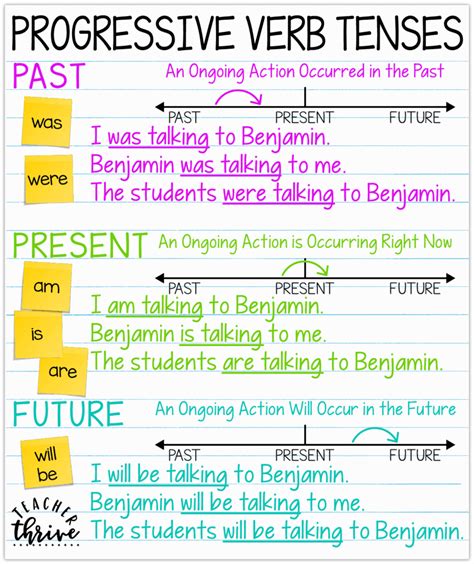
The three primary progressive tenses are: - Present Progressive (Present Continuous) - Past Progressive (Past Continuous) - Future Progressive (Future Continuous)
Quick Reference
Quick Reference
- Immediate action item: Start using present progressive tense in your writing by describing current activities in a dynamic way, e.g., "I am writing a comprehensive guide."
- Essential tip: Combine progressive tenses with time indicators to set the scene, e.g., "While I was baking, she was decorating the cake."
- Common mistake to avoid: Overuse of progressive tenses can make writing feel clumsy. Use them when necessary to emphasize ongoing actions.
Using Present Progressive Tense Effectively
Why Use Present Progressive?
The present progressive tense is indispensable for describing actions that are happening right now. It helps you paint a vivid picture of what someone is currently doing, providing immediacy and context.
Steps to Master Present Progressive Tense
Identify the Subject: Determine the main actor in the sentence.
- Example: “She”
Use the Correct Form of ‘To Be’: Combine the subject with the correct form of “to be,” then add the present participle of the main verb.
Formula: Subject + “am/is/are” + verb(-ing)
Example: “She is reading a book.”
Add Context: Integrate time indicators for a clearer picture.
- Example: “Right now, she is preparing for her presentation.”
Real-World Example
Imagine you’re describing your daily routine for a blog post:
- Basic: “I read books every day.”
- Enhanced with Present Progressive: “I am currently reading a fascinating new novel that my friend recommended.”
Using Past Progressive Tense Effectively
Why Use Past Progressive?
The past progressive tense is excellent for depicting actions that were occurring at a specific time in the past, often in conjunction with another action.
Steps to Master Past Progressive Tense
Identify the Subject: Determine the main actor.
- Example: “He”
Use the Correct Form of ‘To Be’: Combine the subject with the correct past form of “to be,” then add the present participle of the main verb.
Formula: Subject + “was/were” + verb(-ing)
Example: “He was running when he saw the accident.”
Add Context: Provide the specific time or other concurrent actions.
- Example: “At that moment, he was driving to work when he witnessed the accident.”
Real-World Example
When recounting an event in your life, the past progressive can add depth:
- Basic: “I saw the movie last week.”
- Enhanced with Past Progressive: “Last night, while I was watching the movie, the power went out.”
Using Future Progressive Tense Effectively
Why Use Future Progressive?
The future progressive tense is used to describe actions that will be ongoing in the future. It’s useful for planning and setting a timeline for future events.
Steps to Master Future Progressive Tense
Identify the Subject: Determine the main actor.
- Example: “We”
Use the Correct Form of ‘To Be’: Combine the subject with the future form of “to be,” then add the present participle of the main verb.
Formula: Subject + “will be” + verb(-ing)
Example: “We will be attending the conference.”
Add Context: Set a timeframe for the action.
- Example: “At this time next week, we will be enjoying a tropical beach.”
Real-World Example
When planning future activities:
- Basic: “We are attending the conference next month.”
- Enhanced with Future Progressive: “Next month, while we will be attending the conference, we are also expecting to participate in several workshops.”
Practical FAQ
Common user question about practical application
A frequent question is when to use the progressive tense versus the simple tense. Here’s a clear actionable answer with specific steps:
- Use simple tense for actions that are habitual or factual.
- Use progressive tense for actions that are ongoing, especially when they provide more context or emphasis.
- Combine both when one action is ongoing while another occurs. For example: "While I am cooking dinner, I will listen to the news."
How do I know when to use past progressive?
The past progressive is used when describing an action that was ongoing at a specific time in the past. Follow these steps:
- Determine the specific time or context when the action occurred.
- Use the structure: Subject + "was/were" + verb(-ing).
- Example: "Yesterday, while she was cleaning her room, she found an old photo."
What is an example of future progressive in everyday conversation?
In everyday conversations, the future progressive tense can add a dynamic element to your statements. Here’s a clear actionable example:
- Determine the future action and timeframe.
- Use the structure: Subject + "will be" + verb(-ing).
- Example: "Next weekend, we will be hiking Mount Rainier."
Conclusion
Mastering the use of progressive verb tenses can significantly enhance the clarity and richness of your writing. By understanding when and how to employ present, past, and future progressive tenses, you’re equipped to create vivid, engaging, and precise descriptions of ongoing actions, making your writing more dynamic and easier to follow. Start incorporating these techniques today and watch your writing skills evolve!