Understanding the principles of art is essential for anyone aspiring to greatness in the creative field. Whether you’re a painter, writer, designer, or filmmaker, mastering these principles can significantly elevate your work, making it more compelling, structured, and impactful. This article delves into key insights about these principles, supported by real-world examples, actionable recommendations, and practical insights that can transform your creative journey.
Key Insights
- Utilizing balance can create a harmonious composition.
- Contrast draws attention and highlights differences.
- Vary your approach to rhythm to maintain engagement.
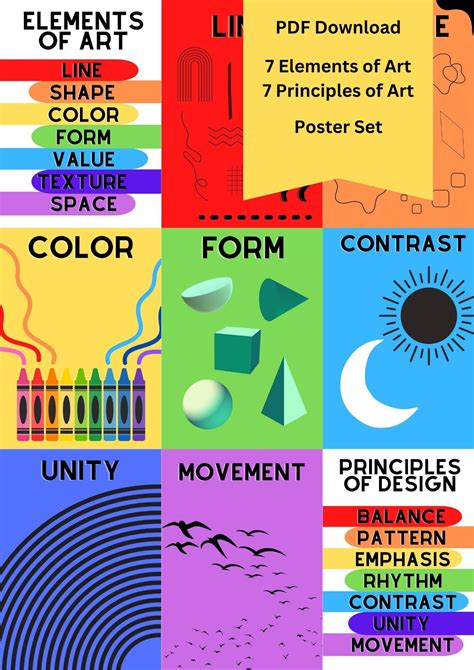
The principles of art, which include balance, contrast, emphasis, movement, pattern, rhythm, and unity, are foundational in creating aesthetically pleasing and impactful work. To grasp these principles deeply, it’s critical to look at them through the lens of real-world applications.
Balance: The Art of Equilibrium
Balance in art refers to the distribution of visual weight across a piece. Achieving balance creates a feeling of stability and harmony. This principle can be observed in many artistic forms, from classical paintings to modern digital art. For example, in the works of Leonardo da Vinci, the balance between elements such as figures and background creates a serene and balanced composition that draws the viewer in effortlessly. In contemporary art, designers often utilize symmetrical balance to create logos and websites that are not only pleasing to the eye but also functional.Contrast: Enhancing Depth and Focus
Contrast involves the arrangement of opposing elements to highlight differences and guide the viewer’s focus. This principle is especially effective in creating visual interest and emphasis on specific areas of a work. Consider Rembrandt’s masterful use of chiaroscuro—a technique that employs strong contrasts between light and dark to add depth and drama to his portraits. In modern design, contrast between colors, textures, and shapes can be used to make key elements pop, ensuring that they catch the viewer’s attention and direct the flow of information.These principles not only enhance the aesthetic quality of an artistic work but also improve its functionality. By understanding and applying these principles, creatives can produce work that not only looks good but also communicates effectively and resonates emotionally with audiences.
Can these principles of art be applied to digital media?
Absolutely, these principles are universally applicable across all mediums of art, including digital media. Whether designing a website, creating a digital illustration, or producing a video, these principles help in crafting visually engaging and structurally sound pieces.
How can beginners start applying these principles in their art?
Beginners can start by studying examples of art that effectively use these principles. Analyzing works of renowned artists or well-designed websites can provide practical insights. Additionally, practicing by incorporating one principle at a time into their projects can help build a strong foundation.
Mastering the principles of art is a journey that every creative professional must undertake to unlock their full potential. By embedding these principles into their work, artists can create pieces that are not only visually appealing but also emotionally resonant and strategically effective. This deep understanding will not only enhance their individual works but also set them apart in their respective fields.