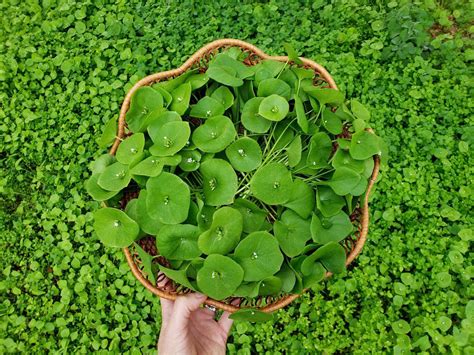
In the realm of edible wild plants, Miner’s Lettuce, or Claytonia perfoliata, stands out as a gem. This early spring ephemeral holds both nutritional value and ecological significance. Often overlooked in favor of more conspicuous forager finds, Miner’s Lettuce offers a treasure trove of vitamins and minerals, particularly in the vitamin A, C, and K-rich foliage. Understanding how to grow Miner’s Lettuce provides a sustainable and nutrient-rich addition to any forager’s repertoire, while also emphasizing responsible foraging and plant conservation.
Key Insights
- Miner’s Lettuce thrives in moist, shady areas of native California but can be cultivated elsewhere with proper care.
- Its rapid growth cycle requires careful timing for harvest to prevent seed formation.
- Growing Miner’s Lettuce involves creating the right soil conditions and avoiding common pitfalls such as overwatering.
Optimal Growing Conditions
Miner’s Lettuce prefers a temperate climate, thriving in cooler conditions found in early spring. It grows best in moist, well-drained soil with a high organic matter content. Native to shaded forest floors in California, it can adapt to shaded environments if grown in other regions. To create optimal conditions, ensure soil remains consistently moist but not waterlogged. The soil pH should ideally hover around 6.0 to 7.0 for best growth. It’s imperative to understand the native habitat of Miner’s Lettuce to replicate its conditions effectively.The Cultivation Process
Growing Miner’s Lettuce from seed is feasible but requires understanding its lifecycle. The plant usually germinates in early spring after a period of cold stratification, akin to the natural winter chill. Sow seeds in late fall for a spring crop, ensuring they are planted shallowly — just a couple of millimeters deep. Keep the soil moist until germination occurs, which can take from 14 to 30 days depending on temperature and soil conditions. Once germinated, maintain a consistently moist environment but ensure adequate drainage to prevent root rot. Miner’s Lettuce plants grow rapidly, and it’s crucial to harvest them before they flower to enjoy the tender leaves. After flowering, the plant will go to seed and complete its lifecycle, ceasing its edible part availability.FAQ Section
Can Miner’s Lettuce be grown in areas outside its native habitat?
Yes, with careful attention to replicating its optimal growing conditions. It can thrive in shaded, cool environments provided proper soil and moisture conditions are maintained.
What should I avoid when growing Miner’s Lettuce?
Avoid overwatering as it can lead to root rot. Also, be mindful not to harvest the plant after it flowers to ensure you get the most tender leaves before seed production begins.
The cultivation and responsible harvesting of Miner’s Lettuce underscore the harmony between sustainable foraging and the cultivation of wild edibles. With its rich nutritional profile and relatively straightforward cultivation requirements, Miner’s Lettuce provides a valuable addition to the permaculture garden or forager’s wild edible collection. By understanding its needs and applying appropriate cultivation techniques, you can enjoy this versatile, wild-grown green throughout the early spring.