Metric vs Imperial: Unraveling the Measurement Mystery
When it comes to measurements, confusion between the Metric and Imperial systems can lead to significant errors in cooking, construction, science, and everyday life. Understanding these two systems can help ensure accuracy and efficiency. This guide aims to demystify the differences between the Metric and Imperial measurement systems by offering a step-by-step approach with actionable advice, real-world examples, and practical solutions.
The Measurement Challenge
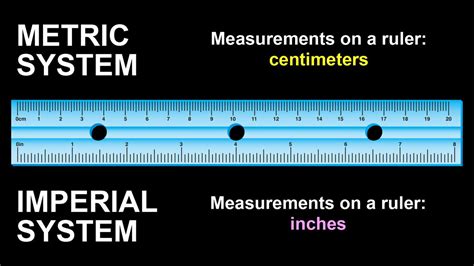
Everyday tasks often require precise measurements, whether you're baking a cake, constructing a building, or conducting scientific experiments. The two primary systems used for measurement are the Metric and the Imperial systems. The Metric system is the international standard, based on units of ten, while the Imperial system, primarily used in the United States, is based on historical units. This difference can cause confusion, especially when navigating recipes from different countries or trying to convert measurements for projects that call for both systems.
This guide will provide you with a clear understanding of these systems, focusing on their fundamental differences and offering practical tips for seamless conversion and application.
Quick Reference
Quick Reference
- Immediate action item: To convert easily, use online converters or a smartphone app with metric-imperial conversion features.
- Essential tip: Always write down the unit of measurement to avoid any confusion, especially when dealing with conversions.
- Common mistake to avoid: Confusing liters and quarts; remember that 1 liter is approximately 0.264 gallons, and 1 quart is approximately 0.95 liters.
Understanding the Metric System
The Metric system is a decimal-based system of measurement used internationally and consists of several base units from which other units are derived. The fundamental base units include meters for length, liters for volume, and grams for mass.
The beauty of the Metric system lies in its simplicity and uniformity, where each unit is ten times larger or smaller than its base unit.
For instance:
- Length:
- 1 kilometer = 1,000 meters
- 1 meter = 100 centimeters
- 1 centimeter = 10 millimeters
- Volume:
- 1 liter = 1,000 milliliters
- 1 milliliter = 1 cubic centimeter
- Mass:
- 1 kilogram = 1,000 grams
- 1 gram = 100 centigrams
How to Convert Metric Measurements
Mastering the Metric system means understanding how to convert between its units effortlessly. Here’s a detailed step-by-step process:
Step-by-Step Guide to Metric Conversions
1. Identify the Units: Determine the base unit (meter, liter, gram) you’re starting from and the target unit you need to convert to.
2. Use Conversion Factors: Understand the conversion factors. For example, remember that 1 meter is equal to 100 centimeters or 1 liter is equal to 1,000 milliliters.
3. Apply Decimal Shifts: Since the Metric system uses powers of ten, moving between units involves simply shifting the decimal point.
4. Calculate: Perform the calculation. If you need to convert 5 meters to centimeters, you multiply 5 by 100. Hence, 5 meters = 500 centimeters.
5. Check Your Work: Always double-check your conversion to ensure accuracy.
By mastering these steps, you can easily convert measurements within the Metric system and make accurate conversions to and from other systems.
Understanding the Imperial System
The Imperial system, also known as the British Imperial System, uses units such as inches, feet, yards, pounds, and gallons. Unlike the Metric system, the Imperial system does not follow a uniform decimal structure.
Here are some common Imperial units:
- Length:
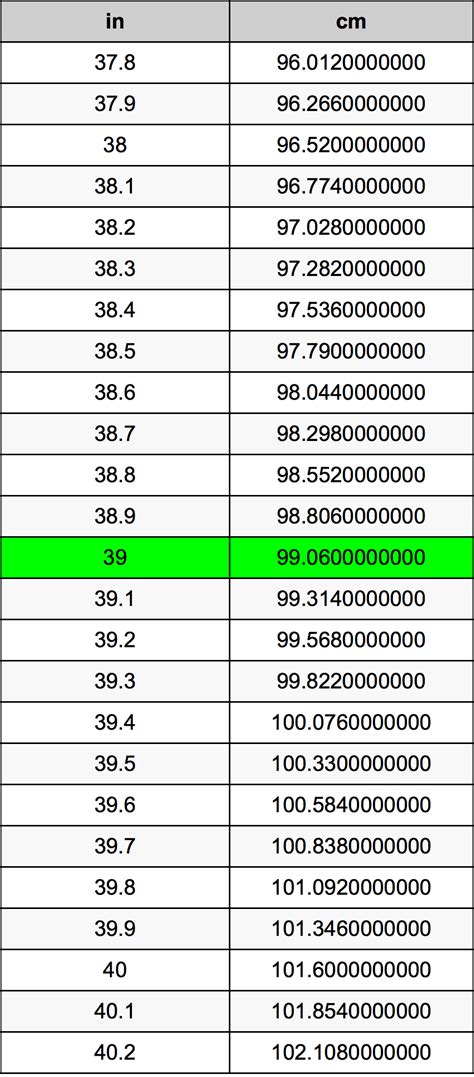
- 1 inch = 2.54 centimeters
- 1 foot = 12 inches
- 1 yard = 3 feet
- 1 mile = 5,280 feet
- Volume:
- 1 quart = 0.946 liters
- 1 gallon = 4 quarts
- Mass:
- 1 pound = 0.454 kilograms
- 1 ounce = 28.35 grams
How to Convert Imperial Measurements
Converting within the Imperial system can be tricky due to its non-decimal nature. Here’s a detailed guide:
Step-by-Step Guide to Imperial Conversions
1. Identify the Units: Determine the starting unit and the unit you need to convert to. For example, converting inches to feet.
2. Use Conversion Factors: Familiarize yourself with conversion factors. For example, 1 foot equals 12 inches, and 1 gallon equals 128 fluid ounces.
3. Perform Calculation: Use the conversion factors to calculate. To convert inches to feet, divide the number of inches by 12. For instance, 36 inches ÷ 12 = 3 feet.
4. Double-Check Your Work: Verify your calculations to ensure they are accurate.
By following these steps, you can seamlessly convert measurements between Imperial units, ensuring accuracy in your projects.
Practical FAQ
How do I convert 5 gallons to quarts?
To convert gallons to quarts, remember that 1 gallon equals 4 quarts. So to convert 5 gallons to quarts, multiply the number of gallons by the number of quarts per gallon.
Step-by-step:
- Identify the units: Gallons to convert to quarts.
- Use the conversion factor: 1 gallon = 4 quarts.
- Multiply the number of gallons by the conversion factor: 5 gallons * 4 quarts/gallon = 20 quarts.
- Check your work: Double-check the calculation.
Therefore, 5 gallons is equal to 20 quarts.
Advanced Conversion Techniques
For more advanced conversions or when dealing with complex units, consider the following techniques:
Using Online Tools
Online conversion tools are invaluable for quick, accurate conversions. Websites and smartphone apps can handle conversions between almost any unit, providing instant results. They’re especially useful for complex conversions, where manual calculations may be prone to errors.
Conversion Tables
Creating a conversion table can help in memorizing common conversions, making quick mental calculations easier. These tables should cover the most frequently used units and their respective conversions.
Practice
The more you practice converting between Metric and Imperial units, the more intuitive the process will become. Regular practice reinforces understanding and builds confidence in your ability to handle conversions on the fly.
Conclusion
Understanding and navigating between the Metric and Imperial systems can greatly reduce the frustration and errors that arise from measurement confusion. By following the practical advice, steps, and tips in this guide, you can ensure accuracy and efficiency in all your measurement-related tasks.
Whether you