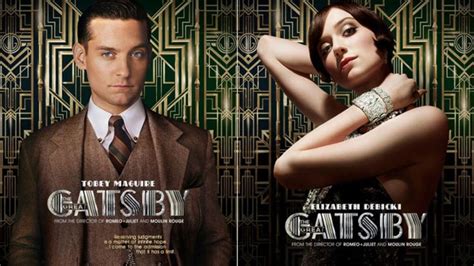
In the enigmatic world of F. Scott Fitzgerald’s “The Great Gatsby,” the character of Jordan Baker stands out not just for her flamboyant lifestyle but for the nuanced portrayal of a woman navigating the treacherous waters of the Roaring Twenties. As a professional in literary analysis, it’s essential to delve into Jordan Baker’s complexity and her emblematic role in the narrative’s larger socio-cultural landscape.
Key Insights
- Jordan Baker’s character reveals the complexities of female agency during the Jazz Age.
- Her professional golf career is a subtle critique of the limited roles available to women at the time.
- Jordan serves as an example of the 'flapper' archetype, providing both glamour and critique.
Jordan Baker, as portrayed in Fitzgerald’s iconic novel, is a vivid depiction of the flapper era. Her allure isn’t just in her charm and elegance, but also in the contradictions she embodies. As a female golfer in an era when such professions for women were rare and often controversial, Jordan signifies a break from traditional gender roles. This is significant because it speaks volumes about the shifting dynamics of society during the 1920s.
Emblematic of the Flapper Era
Jordan Baker’s lifestyle and persona are quintessentially ‘flapper.’ Flappers were known for their modern, liberated attitudes and styles—a stark departure from the more reserved, domestic ideals of earlier generations. Jordan’s independence and her choice to pursue a career in professional golf are symbolic of the changing societal norms, especially for women. This depiction isn’t merely to highlight the superficial shifts in fashion or behavior but rather to underline a deeper, more substantial transformation in women’s roles.Female Agency and the Socio-Cultural Critique
Jordan Baker’s character offers a complex lens through which to view female agency in the 1920s. While she embodies some of the era’s rebellious spirit, her character is also a critique of the limited autonomy available to women. Her involvement in dishonest activities—such as golf cheating—further complicates her role. This suggests a world where women’s newfound freedom is not always embraced, highlighting the tension between societal expectations and personal aspirations. Jordan’s narrative arc provides a microcosm of the larger struggle for gender equality during the Jazz Age.How does Jordan Baker reflect the social changes of the 1920s?
Jordan Baker reflects the social changes of the 1920s through her role as a flapper and her choice to pursue a professional golf career, showcasing both the progressive aspects of the era's female autonomy and the societal critiques that accompanied these changes.
What are the moral undertones in Jordan Baker’s character?
Jordan Baker embodies moral undertones related to honesty and authenticity. Her participation in cheating in golf raises questions about integrity, suggesting that even as society modernizes, personal ethics remain a complex and often contentious issue.
Jordan Baker’s character is an essential exploration of the allure and contradictions of a flapper in the Great Gatsby. Her embodiment of the era’s progressive spirit juxtaposed with the constraints she faces offers a rich ground for analysis. Understanding Jordan Baker requires a nuanced appreciation of the socio-cultural fabric of the 1920s and how this era’s complexity continues to resonate in contemporary discussions of gender and agency.