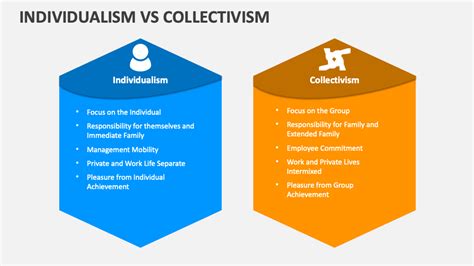
Understanding the cultural dynamics of individualism versus collectivism is crucial for professionals navigating the global business landscape. The distinction between these two cultural paradigms not only shapes personal interactions but also impacts organizational policies and strategies. Individualism emphasizes personal achievement and self-reliance, while collectivism prioritizes group harmony and community well-being. This article will explore these contrasting cultural frameworks, provide actionable insights, and offer practical applications for professionals in various fields.
Key Insights
- Individualism promotes personal initiative and autonomy, crucial in innovative sectors.
- Collectivism's focus on group cohesion is vital for team-oriented projects and cultural integration.
- Understanding these cultural dynamics can improve cross-cultural communication and management.
The Philosophy Behind Individualism
Individualism is grounded in the belief that individuals are the primary agents of change and should take responsibility for their own lives and successes. This cultural perspective encourages personal achievement, personal freedom, and self-reliance. In professional environments, individualism often manifests in an emphasis on creativity, innovation, and individual contribution. For example, in technology and entrepreneurial sectors, an individualistic approach can drive groundbreaking innovations where personal initiative is rewarded and encouraged. Companies operating in these fields benefit from fostering a culture that values independent thought and personal accountability.Collectivism: The Essence of Group Harmony
In contrast, collectivism places the group’s needs above individual aspirations. This cultural paradigm emphasizes cooperation, community support, and collective well-being. In organizations, collectivism encourages teamwork, consensus-building, and group achievements. For instance, in manufacturing and service industries, where group synergy is paramount for efficiency and customer satisfaction, a collectivist approach is often beneficial. By prioritizing team objectives and fostering a culture of mutual respect and support, companies can enhance their operational effectiveness and employee satisfaction.Bridging the Gap: Practical Applications
The challenge for professionals lies in navigating and bridging the gap between individualism and collectivism. Understanding the strengths of both approaches allows for more effective cross-cultural communication and management. For example, in multinational corporations, leveraging individualistic strategies to drive innovation can be paired with collectivist practices to maintain team cohesion and organizational harmony. By recognizing and balancing these cultural dynamics, organizations can create an environment that fosters both personal growth and group success.How can businesses balance individualism and collectivism?
Businesses can balance these cultural dynamics by fostering environments that encourage both individual initiative and team collaboration. For example, implementing flexible work policies that allow for personal autonomy while also establishing regular team-building activities can help achieve this balance.
What role does education play in understanding these cultural differences?
Education plays a critical role in understanding cultural differences by providing the knowledge and tools necessary for professionals to navigate and appreciate diverse cultural contexts. Training programs that focus on cultural competence and global awareness can enhance an individual’s ability to effectively communicate and collaborate across different cultural settings.
This detailed exploration of individualism versus collectivism reveals the importance of understanding these cultural dynamics in both personal and professional realms. By integrating practical insights and actionable recommendations, professionals can better appreciate and effectively manage the cultural complexities they encounter in their global endeavors.