Measuring angles accurately is crucial for many practical tasks, from construction and engineering to everyday DIY projects and artistic endeavors. If you’re grappling with how to measure angles, this guide will walk you through a straightforward process, offering actionable advice and real-world examples to make it easy for you to get started.
Imagine you’re trying to hang a picture frame at a perfect angle for a balanced, aesthetically pleasing look. Or perhaps you need to align the roof of a small garden shed with precision to avoid any leakage issues. If these scenarios sound familiar, this guide is tailored for you. It will equip you with the necessary knowledge and tools to measure angles accurately without the hassle.
Quick Reference
Quick Reference
- Immediate action item: Always double-check the initial measurement with your tool. This prevents early mistakes that can compound.
- Essential tip: Use a protractor or digital angle finder for direct, precise measurements. Position the tool at the vertex of the angle for accurate readings.
- Common mistake to avoid: Misaligning your measuring tool can skew readings. Ensure your tool’s baseline or crosshairs is perfectly aligned with the edges of the angle.
Understanding Basic Tools
To measure angles accurately, the right tools are essential. Here’s a breakdown of the most commonly used tools:
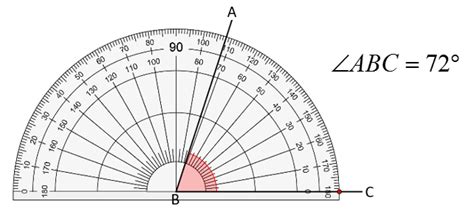
- Protractor: A protractor is a semicircular transparent plastic tool used to measure angles up to 180 degrees. Place the midpoint of the protractor’s scale at the vertex of the angle and align one side of the angle with the zero line of the protractor.
- Digital Angle Finder: A more modern and precise tool, digital angle finders offer readings on an LCD screen. They’re highly beneficial for detailed and repetitive tasks.
Choosing between these tools depends on your project’s specific needs and your comfort level with the tools.
How to Measure Angles Using a Protractor
Here’s a step-by-step guide to measuring angles using a protractor:
- Position the Protractor: Place the midpoint of the protractor’s base at the vertex of the angle you wish to measure. Ensure the protractor’s zero line aligns with one of the angle’s sides.
- Align the Protractor: Adjust the protractor so it is parallel to one side of the angle. This alignment is crucial for an accurate reading.
- Read the Angle: Once the protractor is correctly positioned, look at the mark on the protractor’s scale that lines up with the other side of the angle. The number here indicates the size of the angle in degrees.
This straightforward process will help you achieve precise measurements for many practical applications.
Using a Digital Angle Finder
Digital angle finders are incredibly user-friendly and offer more precision. Here’s how to use them:
- Turn on the Angle Finder: Press the power button to activate the device. Familiarize yourself with the display and buttons.
- Position the Finder: Place the angle finder against the angle’s vertex. Align the crosshairs with one side of the angle.
- Read the Angle: Move the other side of the angle under the crosshairs. The device will display the angle’s measurement on the screen in degrees.
- Take Multiple Readings: If possible, take several measurements from different angles and average them for greater accuracy.
Digital angle finders are especially useful for tasks that require high precision and repeatability.
Tips and Best Practices
Here are some expert tips to ensure your angle measurements are as accurate as possible:
- Check Calibration: Periodically check the calibration of your measuring tool, especially if you are using an older model. Calibration ensures that your measurements are accurate.
- Environment Matters: Measure angles in a stable environment. Vibrations or movements can affect digital readings and can lead to inaccurate results.
- Tool Maintenance: Keep your tools clean and well-maintained. Dirt or debris can interfere with readings.
Troubleshooting Common Issues
Even with the best tools, you might run into some common issues. Here’s how to address them:
- Incorrect Readings: If your measurements seem off, recheck your alignment. Ensure the protractor or digital finder is correctly positioned at the vertex and aligned with the angle’s sides.
- Display Errors: For digital tools, ensure the batteries are charged and check the display for any signs of malfunction. Restarting the device can often resolve minor glitches.
Practical FAQ
What if my angle is greater than 180 degrees?
If you need to measure an angle greater than 180 degrees, use a tool that supports such measurements or break the angle into two parts. For example, if you have a 250-degree angle, measure the first 180 degrees with the protractor and then the remaining 70 degrees.
Can I measure angles without any tools?
While it’s possible to estimate angles with experience, without precise tools, your measurements will likely be inaccurate. Tools like protractors and angle finders are invaluable for achieving accurate results.
How can I improve my angle measurement skills?
To improve, practice frequently with the tools you have. Start with simple angles and gradually tackle more complex ones. Also, cross-check your readings by measuring the same angle multiple times or using different methods.
Mastering the art of measuring angles can greatly enhance your efficiency and precision in various tasks. By following this guide, utilizing the right tools, and applying the tips and best practices shared here, you’ll be well on your way to achieving perfectly measured angles every time.