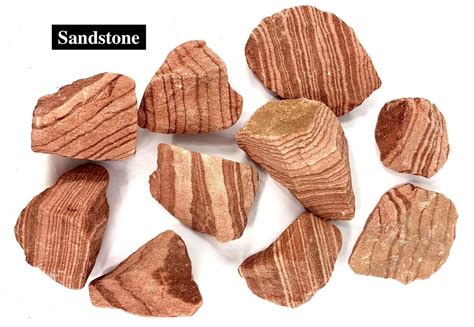
The fascinating formation of sandstone is a testament to the dynamic forces shaping our Earth’s landscapes. Sandstone, one of the most common sedimentary rocks, has a unique origin story tied to the natural processes of weathering, erosion, and sediment deposition. Understanding the intricate details of its formation provides invaluable insights into geological processes and offers practical applications in fields like civil engineering and geology.
To begin, let’s delve into the primary formation process of sandstone, a captivating journey through natural forces. Sandstone forms from the lithification of sand-sized clasts or traces of various minerals, primarily quartz, which are compressed and cemented together. The journey begins when rock fragments—whether from igneous, sedimentary, or metamorphic origins—are weathered and eroded into fine grains of sand.
Key Insights
- Sandstone forms through the compaction and cementation of sand grains, predominantly quartz.
- Understanding sedimentary processes is critical for geological mapping and civil engineering projects.
- Proper identification and analysis of sandstone can aid in the exploration of oil and gas reserves.
Formation Mechanism
The first critical step in sandstone formation is weathering, where parent rocks disintegrate into smaller particles. This process is driven by both physical and chemical forces. Physical weathering, such as freeze-thaw cycles, causes rocks to crack and break apart. Chemical weathering, on the other hand, involves reactions with water, oxygen, and other substances that break down minerals, often transforming them into clays.
These fine particles then travel long distances via wind, water, or ice until they are finally deposited. During transport, grains may be rounded and polished, and sizes may vary. Once deposited, these grains must undergo compaction. The weight of overlying sediments exerts pressure on the sand, squeezing out water and causing grains to press tightly together. This compaction reduces pore space and drives the final step: cementation.
Cementation occurs when minerals, usually silica or calcium carbonate, precipitate from groundwater and fill the spaces between sand grains, acting like glue. Over time, these minerals crystallize and bind the grains, solidifying the sand into sandstone.
Types and Applications
Different types of sandstone arise depending on the size, composition, and texture of the sand grains, as well as the cementing materials. For example, quartz sandstone is rich in quartz, offering high durability, while arkose sandstone contains significant amounts of feldspar, suggesting a rapid weathering process.
In practical terms, knowledge of sandstone’s formation and characteristics is invaluable in construction and architecture. Sandstone’s durability, aesthetic appeal, and relatively low cost make it a favored building material. Additionally, understanding sandstone formation helps geologists map sedimentary basins, locate oil reserves, and predict groundwater flow.
How does sandstone differ from other sedimentary rocks?
Sandstone is specifically characterized by its sand-sized grains and the presence of cementing minerals that bind these grains together, distinguishing it from rocks like conglomerate, which features larger gravel-sized particles, or shale, which comprises finer clay-sized particles.
Why is understanding sandstone formation important?
Understanding sandstone formation is crucial for both practical applications in construction and broader geological insights. It aids in identifying rock layers, predicting natural resources like oil, and assessing the structural integrity of geological formations.
To conclude, the formation of sandstone is a compelling process that intertwines various geological forces. By comprehending this intricate journey from weathered fragments to a coherent rock, we not only appreciate the dynamic nature of Earth’s surface but also gain practical knowledge beneficial to numerous sectors. This exploration underscores the importance of geological knowledge in both scientific and applied contexts, ensuring we harness natural resources responsibly while constructing our modern world.