Photosynthesis is one of the most vital processes on our planet, converting light energy into chemical energy through a series of complex biochemical reactions. It is the backbone of the food chain and is crucial for sustaining life. Understanding the photosynthesis formula can demystify this process and show you how plants convert sunlight into food. This guide will break down the intricacies of photosynthesis in an accessible and practical way.
Understanding the Need for a Photosynthesis Guide
Photosynthesis can seem like a daunting process to grasp due to its complex chemical formula and the various stages involved. Many people are curious about how plants work but find existing explanations too technical or abstract. This guide aims to simplify photosynthesis into manageable steps, providing you with actionable advice to understand and apply this essential science. Whether you’re a student, a teacher, or simply curious about how plants sustain themselves, this guide will offer you real-world examples, tips, and solutions to make photosynthesis comprehensible.
One of the key pain points for many when understanding photosynthesis is not knowing where to start. This guide will start from the basics and gradually build up to the more complex details, ensuring that you can follow along and actually implement what you learn.
Quick Reference Guide
Quick Reference
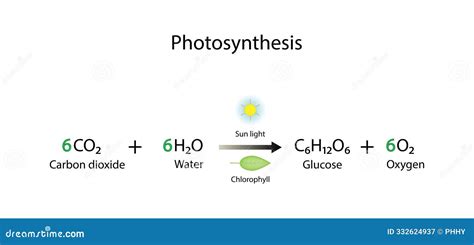
- Immediate action item: Understand the basic photosynthesis formula: 6CO2 + 6H2O + light energy → C6H12O6 + 6O2. This represents how plants convert carbon dioxide, water, and light into glucose and oxygen.
- Essential tip: Use a simple step-by-step method to track each phase: light absorption, water splitting, electron transport, and carbon fixation.
- Common mistake to avoid: Confusing photosynthesis with cellular respiration. Remember that photosynthesis uses light to produce glucose, whereas cellular respiration breaks it down.
The Photosynthesis Process Step-by-Step
To truly understand photosynthesis, it’s important to break it down into its fundamental steps. The process is divided into two main stages: the light-dependent reactions and the Calvin cycle (light-independent reactions). Here’s a detailed guide to help you navigate through each phase:
Stage 1: Light-Dependent Reactions
The first stage of photosynthesis takes place in the thylakoid membranes of chloroplasts. It requires light energy to convert carbon dioxide and water into chemical energy in the form of ATP (adenosine triphosphate) and NADPH (nicotinamide adenine dinucleotide phosphate). Here’s how it works:
1. Light Absorption: Photosynthetic pigments, mainly chlorophyll, absorb sunlight. When chlorophyll absorbs photons, it excites electrons, raising them to a higher energy state.
2. Water Splitting (Photolysis): To replace the lost electrons, water molecules are split into oxygen, protons, and electrons. This process releases oxygen as a byproduct.
3. Electron Transport Chain: The excited electrons travel through a series of proteins embedded in the thylakoid membrane, known as the electron transport chain. As they move through the chain, their energy is used to pump protons across the membrane, creating a proton gradient.
4. ATP and NADPH Formation: ATP is generated through chemiosmosis as protons flow back across the membrane through ATP synthase. Meanwhile, electrons reduce NADP+ to form NADPH, providing the energy carriers needed for the next stage.
Stage 2: The Calvin Cycle (Light-Independent Reactions)
This stage happens in the stroma of the chloroplasts and does not directly require light, although it relies on the ATP and NADPH produced in the light-dependent reactions. Here’s how the Calvin Cycle works:
1. Carbon Fixation: CO2 molecules are incorporated into an organic molecule through the enzyme RuBisCO (ribulose-1,5-bisphosphate carboxylase/oxygenase). This process begins by attaching CO2 to a five-carbon sugar, ribulose bisphosphate (RuBP), forming a six-carbon intermediate that quickly splits into two three-carbon molecules, 3-phosphoglycerate (3-PGA).
2. Reduction Phase: ATP and NADPH from the light-dependent reactions are used to convert 3-PGA into glyceraldehyde-3-phosphate (G3P), a three-carbon sugar. Some G3P molecules go on to form glucose and other carbohydrates, while others regenerate RuBP to continue the cycle.
3. Regeneration of RuBP: The remaining G3P molecules are used to regenerate RuBP, allowing the cycle to continue. This regeneration is crucial for sustaining the carbon fixation process.
Practical FAQ
How do I apply this knowledge in real life?
Understanding photosynthesis has practical applications in various fields, including agriculture, environmental science, and even improving indoor plant care. Here are some specific steps you can take:
- Agriculture: Knowing the formula and process can help optimize growing conditions for crops by ensuring adequate light, water, and carbon dioxide levels.
- Environmental Science: This knowledge can aid in studying plant health and ecological systems. It also provides insights into combating climate change by understanding how plants absorb CO2.
- Indoor Plant Care: To enhance plant growth indoors, ensure they receive sufficient light, water properly, and maintain a stable environment. Knowing the photosynthesis formula can help tailor these conditions to maximize plant health.
By applying this knowledge practically, you can contribute to fields where photosynthesis plays a critical role. Whether it’s growing healthier crops or nurturing indoor plants, understanding the process equips you with the tools to enhance plant life efficiently.
Tips and Best Practices
To fully grasp and apply the photosynthesis process, consider these tips and best practices:
- Observation: Watch how plants respond to light changes. Notice the variations in leaf color and structure under different light conditions.
- Experiment: Conduct small experiments, such as growing plants in different light environments, to see how photosynthesis rates change.
- Research: Dive into scientific literature to deepen your understanding of molecular biology behind photosynthesis.
- Use Online Resources: There are many educational videos and interactive simulations available online that can help visualize the photosynthesis process.
- Practice: Apply what you’ve learned by growing plants at home and monitoring their growth under various conditions.
Through observation, experimentation, and research, you can gain a deeper and more practical understanding of photosynthesis, allowing you to see its effects in real life.