Understanding Conflict and Types of Conflict: A Professional Guide
In any professional environment, conflict is an inevitable aspect of human interaction. Whether it's a disagreement over project priorities or clashing work styles, understanding conflict and its various forms is crucial for effective management and resolution. This guide aims to provide practical and actionable advice for recognizing, understanding, and addressing different types of conflict in the workplace. By the end of this guide, you will be equipped with essential tips, best practices, and clear strategies to navigate and resolve conflicts efficiently.
Conflict can arise from various sources, and addressing it proactively can prevent escalation and foster a collaborative work environment. This guide will delve into the different types of conflict, offer step-by-step strategies to manage them, and provide real-world examples to illustrate practical solutions.
Immediate Action Items
Here are some immediate steps you can take to start managing conflict effectively:
- Listen Actively: Make it a point to listen carefully to all parties involved. Understanding their perspectives is the first step toward resolution.
- Stay Neutral: As a mediator, ensure that you remain unbiased and fair in your approach.
- Identify Common Goals: Focus on shared objectives to help guide the conversation toward a collaborative solution.
Essential Tips for Managing Workplace Conflicts
Here are some essential tips along with step-by-step guidance:
- Immediate Action Item: Document the conflict as it occurs. Written records can be invaluable for clarity and reference during discussions.
- Essential Tip: Encourage open and honest communication. Create a safe space where employees feel comfortable expressing their views without fear of retribution.
- Common Mistake to Avoid: Ignoring the conflict or hoping it will resolve on its own can lead to further tension and resentment.
Detailed How-To Sections
Recognizing Different Types of Conflict
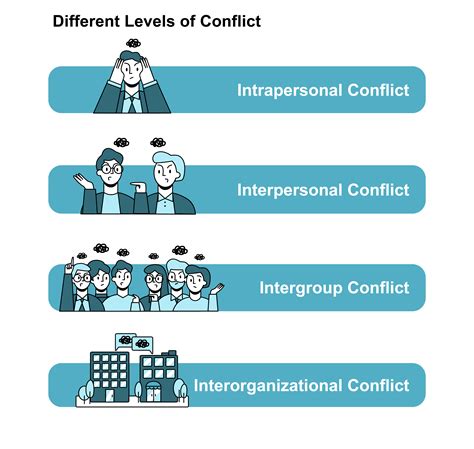
To effectively manage conflict, it’s important to first understand its different types. Here’s a breakdown of the main categories:
- Interpersonal Conflict: These are conflicts between individuals, often arising from personal disagreements, differences in working styles, or misunderstandings. Real-world Example: Two team members have differing opinions on how to approach a project deadline.
- Intragroup Conflict: This type occurs within a team or group and can stem from competition for limited resources or differences in group dynamics. Real-world Example: Members of a project team are in disagreement over how to allocate tasks among themselves.
- Intergroup Conflict: These conflicts arise between different teams or departments and can be due to competition for resources or differing organizational cultures. Real-world Example: The marketing team and the sales team clash over budget allocations for promotional campaigns.
By recognizing the type of conflict, you can tailor your approach to address the root cause effectively.
Step-by-Step Conflict Resolution Process
Here’s a detailed, step-by-step guide on how to resolve conflicts effectively:
- Identify the Conflict: Clearly define the problem. Identify the parties involved, the nature of the conflict, and any underlying issues contributing to the problem.
- Assess the Situation: Gather relevant information and facts. This includes speaking to involved parties to get a full picture and understanding all perspectives.
- Set Up a Meeting: Arrange a neutral meeting place where all parties can openly discuss the issue. Ensure the meeting environment is conducive to open dialogue.
- Facilitate the Discussion: Begin the meeting by setting ground rules for respectful communication. Encourage each party to share their perspective without interruption.
- Identify Solutions: Collaboratively brainstorm possible solutions. Encourage creativity and focus on finding a win-win outcome where possible.
- Agree on a Course of Action: Once a solution is identified, agree on specific steps to implement the resolution. Clearly outline responsibilities and timelines.
- Follow-Up: After the initial resolution, schedule follow-up meetings to ensure the solution is working and to make adjustments if necessary.
Avoiding Common Mistakes
Here are some common mistakes to avoid when dealing with conflicts:
- Ignoring the Conflict: Taking no action can escalate the problem. Address issues promptly before they worsen.
- Taking Sides: Avoid showing favoritism towards any party. Mediate fairly to maintain trust and credibility.
- Being Overly Critical: Constructive criticism should be given in a positive and encouraging manner. Focus on solutions rather than dwelling on problems.
Practical FAQ
What should I do if a conflict escalates quickly?
When a conflict escalates quickly, it’s crucial to intervene immediately before tensions become unmanageable. Follow these steps:
- Separate the parties if emotions are running high to cool down.
- Reassess the situation calmly and gather input from neutral third parties if necessary.
- Communicate clearly and firmly with all involved parties about the need for resolution.
- Reinforce ground rules for respectful interaction.
- If needed, involve higher management or a professional mediator to assist in de-escalation and resolution.
Early intervention and a structured approach can prevent small issues from becoming large ones.
How can I prevent conflicts from arising in the first place?
Preventative measures are essential to maintaining a harmonious work environment. Here are some strategies:
- Establish clear communication channels and encourage transparency.
- Set clear expectations and roles to avoid misunderstandings.
- Foster a culture of respect and inclusivity where all voices are heard and valued.
- Provide training on conflict resolution and communication skills to equip employees with tools to handle disagreements constructively.
- Regularly check in on team dynamics and address any emerging issues before they escalate.
Implementing these strategies can significantly reduce the likelihood of conflicts occurring.
How do I handle conflicts with difficult personalities?
Dealing with difficult personalities can be particularly challenging. Here’s how to manage these situations effectively:
- Remain calm and composed. Your demeanor can influence the situation significantly.
- Listen actively to understand their viewpoint without immediately jumping to solutions.
- Identify common ground and shared objectives, even if they are not immediately apparent.
- Use diplomacy to navigate around personality traits that may hinder resolution. For example, with someone who tends to dominate conversations, encourage quieter voices to be heard first.
- When necessary, involve a neutral third party to mediate and facilitate the discussion.
Handling difficult personalities with patience and empathy can lead to productive outcomes.
Conflict is a natural part of any work environment, but with the right strategies and mindset, it can be managed effectively. This guide provides practical, actionable advice to help you navigate and resolve conflicts in a professional setting, fostering a more collaborative and harmonious workplace.