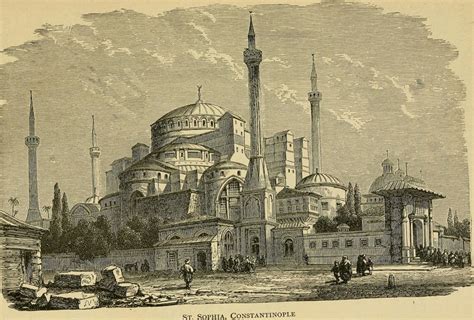
Byzantine Empire architecture represents a sophisticated and enduring achievement in human history, blending artistic innovation with strategic practicality. Rooted in the rich traditions of Roman and early Christian architecture, it evolved into a distinctive style known for its grandiose churches, fortified walls, and intricate mosaics. To comprehend the Byzantine architectural marvels fully, one must delve into its defining features, underlying principles, and the sociopolitical context that shaped it.
Key Insights
Key Insights
- The Hagia Sophia is a paramount example of Byzantine architecture's integration of grandeur and functionality.
- Byzantine engineers revolutionized structural engineering with the use of pendentives and expansive domes.
- The influence of Byzantine architecture persisted long after the fall of the empire, seen in modern Eastern Orthodox church designs.
The Hagia Sophia: Architectural Marvel
The Hagia Sophia, originally commissioned by Emperor Justinian I, stands as a monumental testament to Byzantine architectural ingenuity. Completed in 537 AD, its monumental dome and expansive interior space were revolutionary, setting new standards for church design. Utilizing advanced pendentive engineering, the architects seamlessly transitioned from square base to a circular dome, allowing for a vast, open space that enhanced both the spiritual and aesthetic experience. This architectural feat not only demonstrated technical prowess but also reinforced the church’s central role in the empire.
Fortress Architecture and Urban Planning
Byzantine urban planning was deeply intertwined with the empire’s military and civic needs. Constantinople, the capital, epitomized this synthesis through its formidable Theodosian Walls, which provided robust defense against invaders. The city’s strategic layout facilitated not only defense but also efficient administration and commerce. The incorporation of intricate drainage systems and aqueducts in urban planning further highlights the Byzantines’ commitment to integrating practical and aesthetic elements in architecture.
Technological Innovations
Byzantine engineers introduced numerous technological advancements that have left a lasting legacy. The use of pendentives allowed for larger, more expansive domes, a technique perfected in the Hagia Sophia. Additionally, the Byzantines developed sophisticated systems for reinforcing walls and creating structurally sound mosaics. The employment of these innovations extended beyond religious architecture, influencing military fortifications and public buildings alike. These technological milestones underscore the empire’s forward-thinking approach to construction.
FAQ Section
What architectural elements are most distinctive in Byzantine architecture?
Byzantine architecture is most distinctive for its large domes supported by pendentives, intricate mosaics, and extensive use of decorative elements such as marble and golden leaf.
Did Byzantine architecture influence modern architecture?
Yes, Byzantine architectural principles, particularly in church design, have significantly influenced the architecture of modern Eastern Orthodox churches and can still be seen in various contemporary ecclesiastical designs.
Byzantine architecture remains a cornerstone of historical and architectural studies, reflecting a period of immense innovation and cultural richness. Through its blend of artistic sophistication and technical excellence, the Byzantine Empire left an indelible mark on the architectural heritage of the world. The study of its principles offers valuable insights into the intersection of art, technology, and sociopolitical evolution, continuing to inspire and inform modern architectural practices.