Real-life artificial selection examples have dramatically reshaped both agriculture and pet breeding, showcasing the power of human intervention in shaping desirable traits in organisms. From creating disease-resistant crops to developing breeds of companion animals with specific characteristics, artificial selection has been instrumental in advancing human society.
This article delves into the fascinating realm of artificial selection, elucidating how it has catalyzed progress in multiple domains.
Key Insights
- Artificial selection can dramatically improve crop yields and resilience.
- It plays a vital role in developing superior breeds of livestock and pets.
- Techniques and insights from artificial selection can inform sustainable agricultural practices.
Agriculture Transformations
The concept of artificial selection has long been a cornerstone of agricultural development. Through selective breeding, farmers can cultivate plants with enhanced resistance to pests and diseases, increased yield, and improved nutritional value. The classic example of hybrid rice developed by Yuan Longping demonstrates this principle. By crossbreeding wild and cultivated rice strains, Yuan was able to create high-yield rice varieties that have since fed millions across Asia. These developments exemplify how targeted artificial selection can lead to significant advancements in food production.
Additionally, artificial selection has driven the evolution of livestock breeds. The modern broiler chicken, a product of decades of selective breeding, exemplifies this transformation. Initially bred for meat production, today’s broilers can reach market weight in a fraction of the time it took their ancestors, thus ensuring more efficient and scalable meat production. This highlights the broader impact of artificial selection in enhancing productivity and economic viability in agriculture.
Pet Breeding Evolution
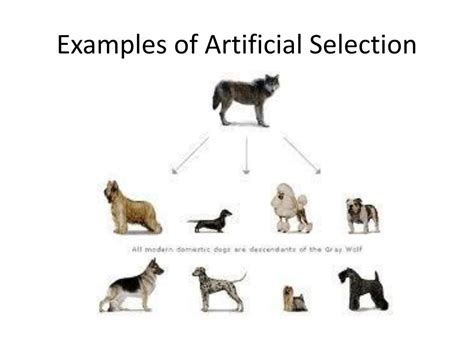
The field of pet breeding provides equally compelling evidence of artificial selection’s effectiveness. Selective breeding has been used to cultivate a wide variety of dog breeds, each adapted for different roles—from herding to hunting to companionship. The Labrador Retriever, for instance, was bred specifically for its trainability, loyalty, and temperament, making it one of the most popular service and family dogs worldwide.
Similarly, the cat breeding process has led to the creation of breeds like the Siamese and Persian. These breeds were developed with distinct physical and behavioral characteristics in mind, demonstrating the profound impact that artificial selection can have on domestic animals. The responsible application of these techniques not only shapes pets that better fit human companionship needs but also fosters the health and welfare of the animals.
Can artificial selection be applied to wild species?
While it is possible to introduce artificial selection in wild species under controlled conditions, ethical considerations and ecological impacts must be carefully evaluated. Interventions must be minimal to avoid disrupting natural populations and their ecosystems.
Is artificial selection the same as natural selection?
No, artificial selection is a deliberate process directed by humans to enhance specific traits in organisms for particular purposes, whereas natural selection is a passive, environment-driven process that occurs without human intervention.
In conclusion, artificial selection stands as a testament to human ingenuity and the profound impact it has on both agriculture and pet breeding. By leveraging this process, we can continue to enhance the productivity, resilience, and quality of life in both domains, driving forward a more sustainable and humane future.