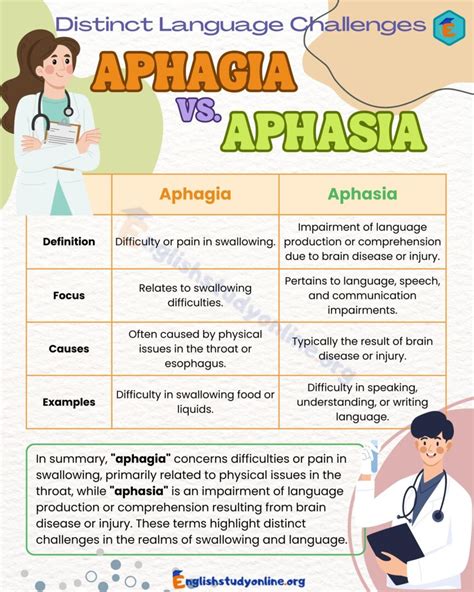
If you've ever heard the terms "aphagia" and "aphasia" and felt a bit confused about their differences, you're not alone. These terms can sound similar and may both seem to relate to some form of communication or speech difficulty. However, they actually describe very different conditions and problems. This guide will walk you through the essential differences, how to identify them, and the necessary steps to address each condition. We'll provide practical advice, real-world examples, and solutions to help you understand these two medical terms better.
Understanding Aphagia and Aphasia: What You Need to Know
To start off, it’s important to recognize why these terms might cause confusion and how understanding their distinctions can help in various contexts. Aphagia refers to the inability to swallow, which is typically a symptom of another underlying issue, such as a neurological disorder or a structural problem in the throat or esophagus. On the other hand, aphasia involves difficulty with language processing and communication. It’s often caused by brain damage, usually from strokes, head injuries, or degenerative brain conditions.
For those dealing with or caring for someone who has either condition, it's crucial to pinpoint the specific problem to address the appropriate challenges. The following quick reference guide highlights the key distinctions and actionable advice to help you get started:
Quick Reference
- Immediate action item: If you suspect aphagia, it's crucial to consult a healthcare professional immediately to evaluate swallowing safety and risk.
- Essential tip: For aphasia, encourage regular speech therapy sessions and utilize language-building exercises to assist communication skills.
- Common mistake to avoid: Don’t confuse aphagia with aphasia; they require entirely different care strategies.
Detailed Guidance on Aphagia
Aphagia is a condition where an individual cannot swallow, which is usually a symptom of another underlying medical issue. Recognizing aphagia is essential to ensuring the individual’s safety and to addressing the root cause of this condition. Here's a detailed step-by-step guide to understand and manage aphagia:
1. Identify the Symptoms: Aphagia symptoms include difficulty or inability to swallow, drooling, coughing or choking during meals, recurrent chest infections, and unintentional weight loss. Immediate attention is required if you notice these symptoms.
2. Seek Medical Evaluation: Consult a healthcare professional as soon as possible. A physician may recommend a variety of tests, including imaging tests like X-rays, CT scans, or barium swallow tests to determine the underlying cause.
3. Nutritional Support: In the interim, nutritional support is crucial to prevent malnutrition and dehydration. This may involve using feeding tubes or other nutritional supplements advised by a healthcare professional.
4. Therapeutic Interventions: Depending on the diagnosis, treatment may include physical therapy to strengthen throat muscles, speech therapy, or even surgical options to correct structural issues in the throat or esophagus.
5. Long-term Monitoring: Regular follow-ups with a doctor and nutritionist are essential to monitor progress and make any necessary adjustments to the treatment plan.
Detailed Guidance on Aphasia
Aphasia involves a range of language difficulties, including speaking, understanding, reading, and writing. Unlike aphagia, aphasia is a condition primarily requiring speech and language therapy, cognitive rehabilitation, and support from loved ones.
1. Recognize the Symptoms: Common signs of aphasia include difficulty finding the right words, trouble forming complete sentences, inability to follow complex instructions, and problems with reading and writing. Early recognition is crucial for effective management.
2. Professional Diagnosis: A speech-language pathologist will conduct a thorough evaluation to determine the type and extent of aphasia. This will inform a tailored treatment plan.
3. Speech and Language Therapy: Engage in regular speech and language therapy sessions. These sessions may include exercises to improve word-finding, sentence structure, and comprehension. Therapy can also involve working with computers or apps designed to improve language skills.
4. Cognitive Rehabilitation: Cognitive therapy may also be beneficial, particularly if the aphasia has affected memory or attention. This therapy aims to strengthen cognitive skills to compensate for the language difficulties.
5. Support from Caregivers: Family members and friends play a crucial role in supporting someone with aphasia. Learning to communicate more effectively and being patient can make a significant difference. Reading aloud, using visual aids, and maintaining a consistent routine can also help.
Practical FAQ Section
Can aphagia be cured completely?
The potential for a complete cure for aphagia depends on the underlying cause. In many cases, addressing the root cause through medical, surgical, or therapeutic interventions can significantly improve or even resolve the swallowing difficulties. However, in some instances, especially if there are structural abnormalities, the condition may require ongoing management rather than a complete cure.
How can I help someone with aphasia?
Helping someone with aphasia involves a mix of patience, understanding, and specific strategies:
- Use simple, short sentences and avoid complex language.
- Be patient and give them time to respond.
- Use visual aids like pictures, charts, or gestures to support understanding.
- Encourage and support their attempts to communicate, even if they struggle.
- Participate in their therapy sessions if appropriate and to learn effective strategies.
What diet is best for someone with aphagia?
Dietary modifications are critical for individuals with aphagia to prevent choking and ensure adequate nutrition. The diet often includes:
- Pureed foods which require less chewing and are easier to swallow.
- Thickened liquids to prevent aspiration during drinking.
- Small, frequent meals to manage energy and hydration needs.
- Foods that are soft, easy to chew, and easy to swallow, avoiding hard, sticky, or chunky foods.
Consult with a nutritionist or dietitian for personalized recommendations based on the individual’s specific needs.
By following these detailed sections and frequently asked questions, you’ll gain a comprehensive understanding of aphagia and aphasia, enabling you to recognize, address, and support those affected by these conditions effectively.