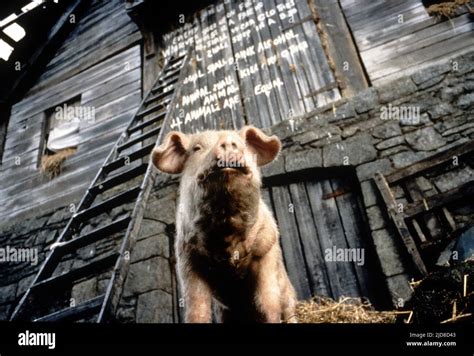
In George Orwell’s “Animal Farm,” Snowball emerges as a pivotal character whose strategies and ideological opposition to Napoleon define the novel’s sociopolitical landscape. Snowball’s role in shaping the course of Animal Farm highlights the complexities of power dynamics and the intrinsic flaws in revolutionary leadership. This analysis explores Snowball’s influence and contrasts it with the more tyrannical Napoleon to demonstrate the interplay between leadership, ideology, and governance.
Snowball’s Visionary Leadership
Snowball is portrayed as an innovative leader with a clear vision for Animal Farm. He champions education and technological advancement, advocating for projects like the windmill as a means to elevate the welfare of the animals. Snowball’s strategic brilliance and foresight in these endeavors illustrate a leader who prioritizes collective progress. Evidence of his progressive thinking is exemplified in his bold initiatives: organizing literacy campaigns, implementing agricultural improvements, and promoting windmill construction as an emblem of hard work and innovation.Contrast with Napoleon’s Tactics
In stark contrast to Snowball’s progressive approach, Napoleon utilizes cunning, manipulation, and fear to assert control. Where Snowball promotes open dialogue and shared responsibilities, Napoleon relies on divisive tactics and coercion. Napoleon’s strategies are characterized by his adept ability to exploit the insecurities of his peers, employing methods that subvert and suppress Snowball’s influence. The comparative analysis of their leadership styles elucidates the divergent paths of idealism versus authoritarianism.The Downfall of Snowball
Snowball’s expulsion from Animal Farm marks a pivotal turning point in the novel. The scapegoating of Snowball by Napoleon allows the latter to consolidate power and eliminate any potential rivals. Snowball’s banishment is orchestrated through a series of propaganda campaigns that vilify him and portray him as a traitor, thus enabling Napoleon to justify his actions to the other animals. The political maneuvering that results in Snowball’s downfall is a stark reminder of the vulnerability of idealistic reforms when confronted by machiavellianism.Key Insights
- Snowball's innovative leadership symbolizes the potential for progressive change within Animal Farm.
- Napoleon’s use of manipulation and fear contrasts sharply with Snowball’s vision, illustrating the dangers of authoritarian governance.
- Snowball’s expulsion signifies a critical loss of idealism and innovation for Animal Farm.
What is the significance of Snowball’s windmill project?
The windmill project represents Snowball’s vision for the collective prosperity of Animal Farm through communal effort and technological advancement. It embodies the themes of progress and innovation, contrasting sharply with Napoleon’s approach.
How does Snowball’s character reflect real-world revolutionary leaders?
Snowball reflects revolutionary leaders who aspire to create equitable societies through education and technological progress. His character serves as a critique of idealistic reformers who face opposition from those seeking to maintain or alter power structures.
Snowball’s journey in “Animal Farm” underscores the fragile nature of idealism against the backdrop of political intrigue and ambition. His character’s arc from visionary to exile provides a profound commentary on the challenges of revolutionary leadership and the potential for corruption when power is unchecked. As such, Snowball remains a key figure whose legacy continues to evoke critical discussions about governance and moral leadership.